
GCast 85:
Dependency Injection in Java Spring Apps
Learn how to declarative initialize services using the dependency injection features of the Java Spring framework.
GCast 85:
Dependency Injection in Java Spring Apps
Learn how to declarative initialize services using the dependency injection features of the Java Spring framework.
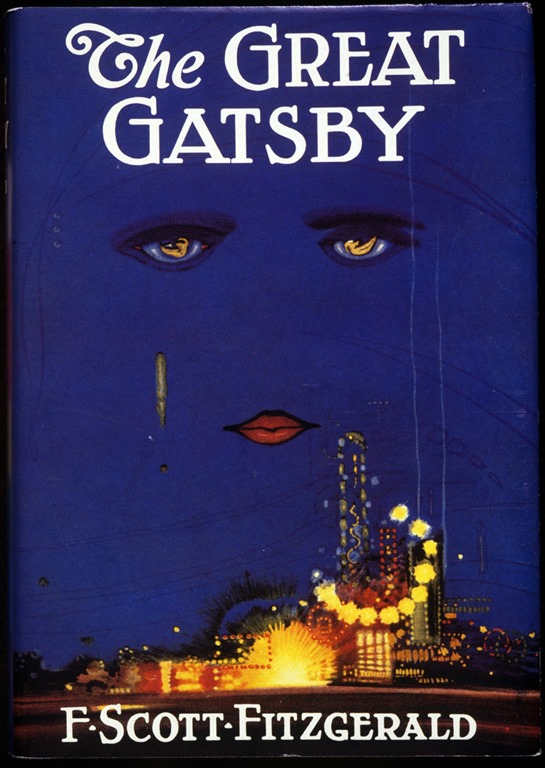 Young Nick Carraway spent the summer of 1922 in East Egg Long Island, renting a home next to the mansion of the enigmatic Jay Gatsby. A plethora of rumours about Gatsby bounced around the small community: Gatsby is the son of European royalty; he was a German spy in the war; he once killed a man.
The two men become friends and Gatsby asks Nick to help him re-connect with his former lover Daisy Buchanan, who is now trapped in a loveless marriage.
There are many reasons why F. Scott Fitzgerald's The Great Gatsby is a classic. It captures the spirit of the wealthy elite in the Jazz Age of 1920s America; it sings of lost love and unattainable love; and it is the kind of timeless tragedy that stays with the reader long after the novel is finished.
Gatsby represents the American dream of the self-made man, yet the old money of Long Island looks down on him. He cannot let go of the past, so he buys a mansion across the bay from his former lover; he throws lavish parties in the hope that she will attend. Gatsby reinvents himself; and he amasses a fortune, thinking it will win Daisy's heart and rekindle what they once had. He does not consider that Daisy is not the girl she was; or that she was never the girl he believed her to be. He is in love with a vision of her from the past - a vision that was never real.
Gatsby is likeable; Daisy's husband Tom is arrogant and unfaithful and violent. But Tom is from old money; born into a higher caste. And this makes a difference to Daisy.
It is a tragic story of the shallowness and arrogance of the financial and social elite. Gatsby idealized Daisy; in the same way, people overestimate the positive effect that money will have on their life. There is an emptiness inside so many of the characters.
"Ten days after the war ended, my sister Laura drove a car off a bridge. The bridge was being repaired: she went right through the Danger sign. The car fell a hundred feet into the ravine, smashing through the treetops feathery with new leaves, then burst into flames and rolled down into the shallow creek at the bottom. Chunks of the bridge fell on top of it. Nothing much was left of her but charred smithereens."
Iris was the daughter of wealthy industrialist in a small Canadian city. She and her younger sister Laura grew up in a small Canadian town with their widowed father and their housekeeper, until Iris's arranged marriage at 18 years to an ambitious businessman twice her age.
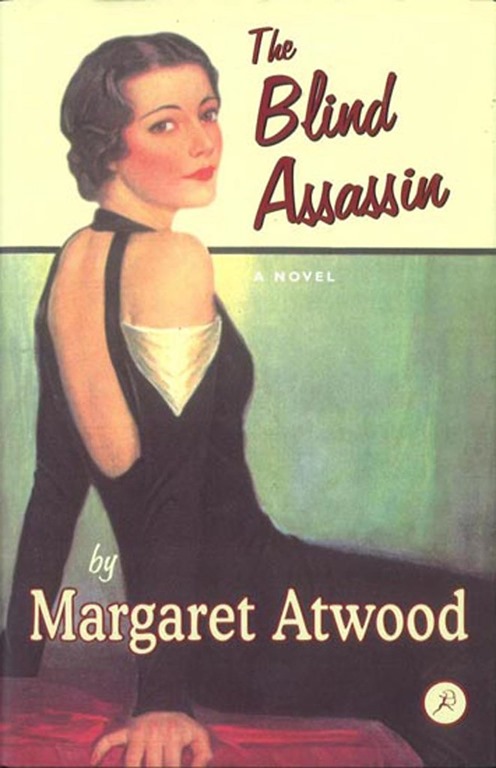 That is all gone now. Iris is an old woman telling the story of her life and her abusive marriage and her sister's suicide and her lost family.
Margaret Atwood's "The Blind Assassin" is a complex story, narrated in a nonlinear fashion by octogenarian protagonist.
The book's title comes from a story told by a character in a novel by Laura published by Iris after Laura's death. This story within a story within a story works because the characters in each narrative reflect the lives and feelings of those in the surrounding narrative.
The story unfolds through Iris's writing, through newspaper clippings, through letters, and through the allegories of the embedded stories. Iris's tale jumps around in time and the book often cuts to Laura's novel and back again. This complexity allows Atwood to slowly reveal the tragedy of family. Through her reflections, Iris peels away the layers of a story to slowly reveal what drove her sister to take her own life.
Her reflections reveal her feeling of guilt and the regrets she carries.
I read this novel over a weekend - fearing that if I set it aside for long, I would lose the many threads balancing in my head.
It is a story of manipulation and blind pursuit of power and control
It is a story of violence against women
It is a story of women who sacrifice themselves to protect others.
It is a story of disappointment
When I finished, I was exhausted.

Episode 608
Christina Aldan and Jeff Strauss on Dev Around the Sun
Dev Around the Sun is a 24-hour online tech conference designed to raise awareness and funds to fight the COVID-19 pandemic.
It begins May 12 at 12:00 UTC.
Organizers Christina Aldan and Jeff Strauss describe the goals of the conference and what viewers can expect.
 Nobody Owens was a toddler when The Man Jack broke into his home and murdered his family. Young "Bod" survived because he wandered away from his home and into a nearby graveyard where the ghosts of the graveyard raised and protected him.
Neil Gaiman's 2008 novel The Graveyard Book tells Bod's story as he grows from a child to a teenager. The first chapter are a series of loosely-connected short stories, set about 2 years apart, relating Bod's encounters with the various ghosts and spirits of the graveyard and (occasionally) the living people of the nearby town. But, in the climax, the stories circle back on themselves: A childhood friend moves away, then returns as a teenager; an ancient guardian re-surfaces; and the Man Jack eventually returns to finish the job he failed to complete years earlier.
Gaiman proves again that he is a master storyteller. He takes some classic horror story ideas - ghosts, malevolent spirits, secret societies, werewolves - and breathes something fresh into them. Bod's mentor - the reformed vampire Silas - is an excellent example.
Graveyard is a coming-of-age story for a boy with an unusual childhood. Gaiman was inspired by Kipling's Mowgli and by the sight of Gaiman's own toddler riding a tricycle through a graveyard.
This is a dark, macabre tale; but it is filled with hope. It is aimed at young adults, but kids of any age will enjoy it.
This was my third visit to this story, as I have read the 2-part graphic novel adaptation; and a short story in the "M Is for Magic" collection. And each time, I come away with a new appreciation for Neil Gaiman and his imagination.
 Saleem Sinai was born at the stroke of midnight on the day that India declared independence from Great Britain. 1,001 Indian children were born within an hour of midnight August 15, 1947 and each of them were gifted with some special power. Saleem's power of reading minds and communicating telepathically manifested itself when he was 10 years old.
In Salman Rushdie's Midnight's Children, Saleem tells the story of his life and his family. His parents and grandparents grew up in an age of colonial rule, but Saleem grew up with his country. Significant events in Saleem's life coincide with significant events in India's history. He and his country experience growing pains together. He is conflicted by the different aspects of his personality just as the new nation experiences the difficulty of coordinating the needs of countless cultures.
It is a complex novel with dozens of characters introduced in its 500+ pages.
The narrator (Saleem) often switches between relating his story in the first person and writing about himself in the third person.
He is quick to switch between the present tense and the past tense and the past imperfect tense; while recounting an incident, he will suddenly digress and recount a significant bit of family history; or he will hint about something yet to happen, promising to relay that story later.
He tells the story to his fiancée Padma. Occasionally, the author looks up from his narration and tells her (and us) what he is thinking at that moment or what is going on outside his window. It is as if he is writing down the story as it occurs to him, rather than in any natural order. His stream-of-consciousness narration reads more like an oral history than a novel.
Rushdie addresses love and fidelity and struggles for power and the dangers of centralized authority.
Despite the supernatural ability of many of the characters, Rushdie provides a sense of realism - even bringing in some historically significant characters in India's history.
But the accuracy is not as important as the story and the characters and the way Rushdie weaves together multiple plots and fulfills prophecies and promises - sometimes long after they are made.
"What's real and what's true aren't necessarily the same, " proclaims the narrator.
Episode 607
Chris Klug on Software Development Up-Front Planning
Chris Klug embraces agile software development; but points out that this does not free us from the responsibility of up-front planning, which can help to avoid problems down the road.
5/3
Today I am grateful to discover a beautiful park just a couple miles from my home.
5/2
Today I am grateful for a birthday card and hand-painted watercolor from Abby and Rachel.
5/1
Today I am grateful to virtually hang out with Chris last night.
4/30
Today I am grateful to take a hot bath almost every day for the past 2 months.
4/29
Today I am grateful I made it home yesterday before the thunderstorms began.
4/28
Today I am grateful to clean and organize my second bedroom so it is now a guest bedroom instead of a storage room
4/27
Today I am grateful to play online games with my sons yesterday.
4/26
Today I am grateful for my new nightstand.
4/25
Today I am grateful to enjoy a bad musical last night with Kendall and Heather
4/24
Today I am grateful for a call from Kevin yesterday.
4/23
Today I am grateful to grocery store employees who work hard, putting their health at risk - often for low wages.
4/22
Today I am grateful to finish my taxes last night.
4/21
Today I am grateful for mostly empty streets and sidewalks, which makes it easy to maintain distancing while I ride my bike in the city.
4/20
Today I am grateful to live in a city with so much history.
4/19
Today I am grateful for the kindness and generosity of Christine and Carol, who care about my safety.
4/18
Today I am grateful for a Friday afternoon virtual coffee hour with my team.
4/17
Today I am grateful for a new Raspberry Pi my boss sent me yesterday.
4/16
Today I am grateful to Heba for helping me learn Java and answering my questions.
4/15
Today I am grateful for the people and technologies that make remote working easier than it would otherwise be.
4/14
Today I am grateful for a new headlight for my bike
4/13
Today I am grateful to celebrate Easter virtually with my family over Teams yesterday.
4/12
Today I am grateful that He is risen.
4/11
Today I am grateful to Patrick and Susan, who recognized my plight and shipped me some coffee.
4/10
Today I am grateful to Jesus Christ, who died for my sins.
4/9
Today I am grateful for an unexpected call from Greg
4/8
Today I am grateful for the years we had John Prine and the joy his music brought us.
4/7
Today I am grateful for my new reflective belt, which makes me feel safer riding my bike at night.
4/6
Today I am grateful that I finally fixed this table lamp that has been broken for 2 years.
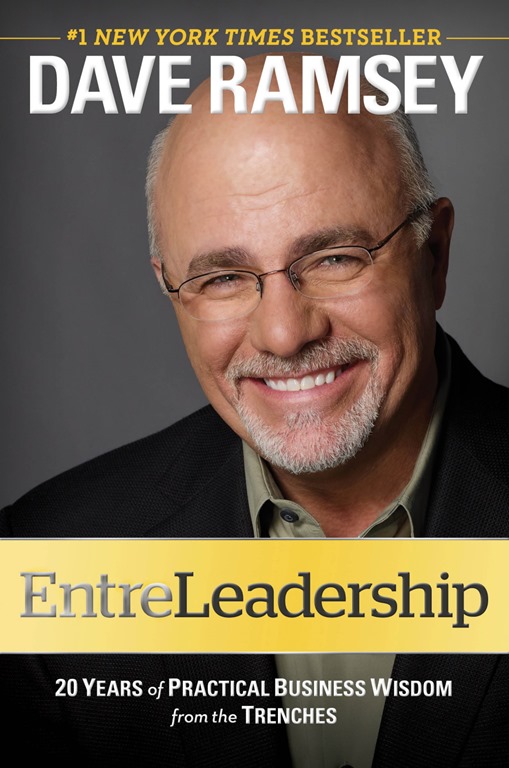 Dave Ramsey has built a company that provides financial advice via seminars, a radio broadcast, a podcast, and numerous books.
His 2011 book "Entreleadership" is not about personal finance; but about what it takes to build and run a company. Ramsey coined the title word, combining "entrepreneur" and "leader" because he believes that one must embrace both roles in order to successfully build a small company.
He supports most of his advice with anecdotes from his own successes and failures as he grew his company.
The message running through this book is that a company is a team. As such, employees should be treated as team members; and the boss should think of himself as a leader; and you should hire candidates with a passion for what you are building, rather than those just looking for a job.
He talks about setting priorities: identify and perform the tasks that are important and urgent before turning to those that are important/not urgent or urgent/not important. Skip those that are neither important nor urgent.
He talks about the importance of a leader's ability to make a decision.
He talks about the importance of trust: "People will not buy from you if they don’t trust you, your product, and your company."
He talks about communication: it is important for a leader to share their goals with their team members, so they can make intelligent decisions.
He talks about debt, which he advises against - a philosophy I apply to my personal finances.
Much of Ramsey's thinking is based on his relationship with God. As a practicing Evangelical Christian, he looks to the Bible to lead him in his daily activities, including his business activities.
I was unfamiliar with Ramsey before reading this book.
I don't think I could work for him, primarily because he requires everyone in the company to spend their day at their desk in the office - a lifestyle I rejected years ago; and also because the following passage gave me pause: "privacy isn't a big deal to people who are living a clean life and doing the right thing."
But the book contains a lot of practical, common-sense advice, delivered in a straightforward manner.
GCast 83:
Supporting POST HTTP Requests with Spring Boot
Create a web service that supports HTTP POST requests using the Spring Boot framework
Episode 606
Layla Porter on Test Driven Development
Twilio Senior Developer Evangelist Layla Porter discusses Test-Driven Development and how you can use it to improve your code.
Links:
I use Excel a lot - sometimes just to format a lot of text by applying the same formula to a bunch of strings.
The CONCAT function is great for this. It concatenates together 2 or more strings to create a new string.
The syntax is:
CONCAT(text1, [text2],…)
where each argument (text1, text2, etc., up to 253 arguments) is a string or a reference to a cell containing a strng.
So, if cell A1 contains the string: "Customer" and cell B1 contains the string "LastName" and you want to store the following string in cell C1:
Customer.LastName
You can do so with the following formula in cell C1:
=CONCAT(A1, ".", B1)
One challenge with the CONCAT function occurs when you want your new string to include double quotes ("). Because double quotes are used to delimit strings, this can cause confusion.
For example, you may want to take the inputs above and form a string like the following:
"Customer" : "LastName"
The following formula generates and error because Excel cannot tell where a string argument ends
=CONCAT(""",A1,"" : "", B1,""")
I've found 3 ways to approach this.
Use single quotes instead of double quotes. This is a compromise, but it can work sometimes, as double quotes and single quotes are considered the same in many contexts.
The following formula accomplishes this.
=CONCAT("'",A1,"' : '", B1,"'")
Use a double set of double quotes
Excel uses the special escape sequence "" to indicate double quotes within a string.
Here is an example of this:
=CONCAT("""",A1,""" : '", B1,"'")
Use CHAR(34)
Excel contains the CHAR function that returns the character associated with an ASCII value. A double quotation character has an ASCII value of 34, so you can use this instead of the character itself. It is perfectly acceptable to embed one Excel function within another.
Here is an example of this:
=CONCAT(CHAR(34),A1,CHAR(34)," : ", B1,CHAR(34))
The last 2 options are my preference. Which you choose depends on which you find more readable.
GCast 82:
Creating a RESTful Web Service with Spring Boot
Use the Spring Boot framework to create a RESTful web service.
Episode 605
Andrea Salterello on Accessibility
Andrea Salterello is a Microsoft Regional Director, software developer, university instructor, and the organizer of Accessibility Days in Milan. discusses ways that technology can help those with disabilities, how to build accessibility into your applications, and his upcoming conference, which focuses on developing accessible software.
Links:

Her situation is driven by an unhappy marriage, a series of meaningless sexual encounters, an abortion, an addiction to alcohol and prescription drugs, and an institutionalized daughter.
In a stream-of-consciousness narrative - told in the present and in flashbacks - Didion takes us inside Maria's head as she stumbles through months of self-destructive behavior.
Maria has no direction in her life; her nihilism is symbolized by her habit of hopping into an expensive car and speeding through the highways of Los Angeles. She is surrounded by the decadence and opulence of the 1960s Hollywood inner circle, but she is disconnected from it.
It's an emotional ride. I started reading in the evening and stayed up half the night to finish it.
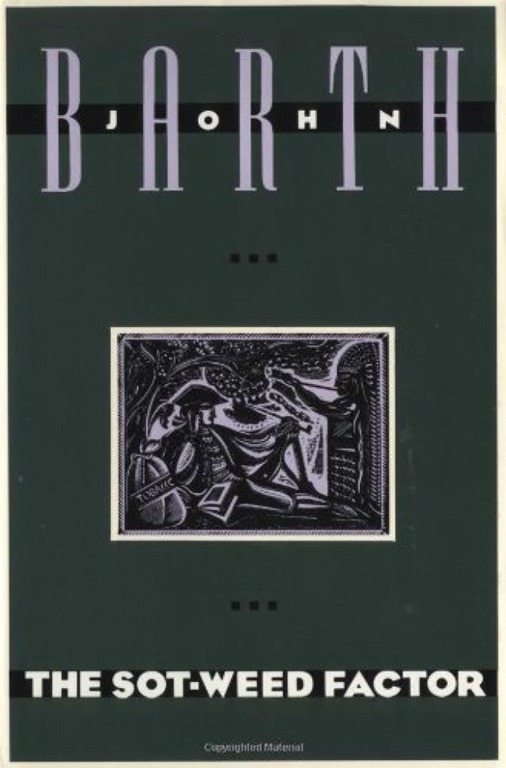 Ebenezer Cooke was an 17th-18th century English poet, who traveled briefly to Maryland as a young man; then returned later in life to take possession of his inherited estates in the British colony. In 1708, Cooke published "The Sot-Weed Factor, or A Voyage to Maryland, A Satyr" - a poem based on his travels.
All the above is true.
In 1960, John Barth published The Sot-Weed Factor - a novel of Ebenezer Cooke's life. Almost all of this book originated in the imagination of Mr. Barth.
The "Eben" Cooke of Barth's novel is forced to leave England in the 17th century when he falls in love with a prostitute and is confronted by her pimp for non-payment. He sails for Maryland to take over a family estate there. Upon arrival, Governor Charles Calvert appoints him Poet Laureate of Maryland.
During the years after his exodus from England, a comedy of errors causes him to lose his estate, his family, his friends, and the woman he loves. At the beginning of the novel, Cooke is arrogant and cowardly, but those are not the faults that cause his misfortunes. Often, others take advantage of him because of his naivety. By the end of this bildungsroman, Cooke's numerous misadventures have transformed him into a mature and honorable man.
The story itself is written to sound like a 17th century novel. The author frequently employs words like forsooth, anon, and suchwise to transport the reader to colonial times. It is farcical and satirical and funny and sad. It is a complicated plot, but so many of the seemingly extraneous stories introduced early return to prove relevant to Cooke's life.
The events of the story consist of a string of coincidences so unlikely that they border on the absurd. Many characters are not who they seem - particularly Eben's tutor Henry Burlingame, who crosses paths with Eben multiple times wearing a different disguise almost every time. Cooke is captured by pirates and by Native Americans during his quests to regain his estate and to find his lost love. While pursuing his quests, Eben is determined to maintain his virginity, despite numerous temptations. But this is not only the story of Ebenezer's quest. It is also Burlingame's quest for his identity and the Native Americans' quest for vengeance on the invading Europeans and the New World's quest for an identity.
Unlike some long, complicated novels I've read recently, I had no trouble keeping track of all the characters in this story.
The Sot-Weed Factor is an enjoyable story for anyone who craves an adventure.
Episode 604
Sarah Lean on Adjusting to the Pandemic
As a Microsoft Cloud Advocate, Sarah Lean used to travel around the world speaking to IT professionals. The recent COVID-19 pandemic has forced her to accomplish her goals while staying at home. She talks about the adjustments she has made.
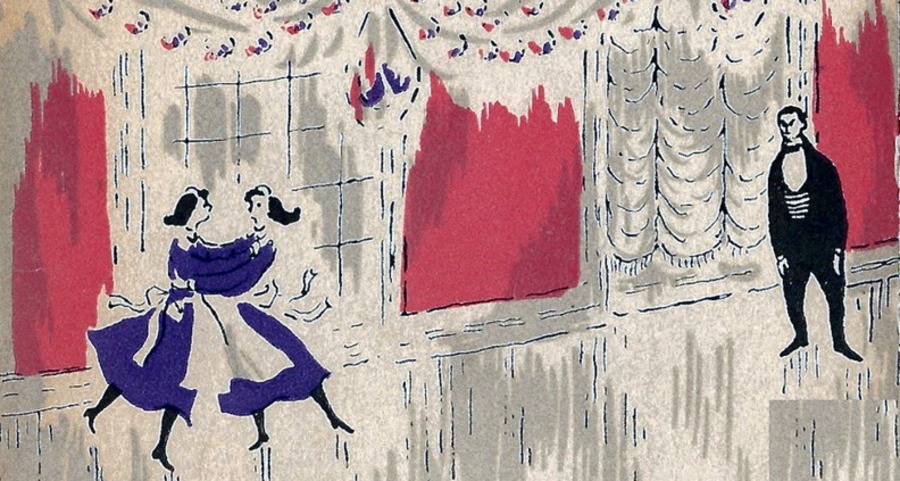 Henry Green's Loving opens with "Once Upon a day..." and closes with "...and lived happily ever after", but it is not a fairy tale.
The novel takes place in the castle home of the rich Tenant family, but the story focuses on the servants.
It is the middle of World War II and the butler has just passed away. Footman Charley Raunce is promoted to butler, so the Tenants stop calling him "Albert" (which wasn't his name anyway) and start calling him Mr. Raunce. The position goes to his head and some of the other servants resent him for it, but it does not deter Edith the maid from falling in love with him.
Then the servants catch one of the Tenants in an adulterous act and Mrs. Tenant loses a valuable ring and the servants are left alone in the house for days and the ring is found and people argue and they laugh and they gossip and they fall in love.
"Loving" is just a story about ordinary life among a particular class of people in a particular place and time. Nothing much happens. The War rages throughout Europe, but not in neutral Ireland. Instead of action, we get a lot of dialogue and a peek into personalities and prejudices (everyone seems to dislike and distrust the Irish and the Catholics) and lonely people craving affection and the tension between the ruling class and serving class.
It is a small story, but it's a good one.
While not a fairy tale and not the classic that some claim, I enjoyed Mr. Green's novel.
GCast 81:
Learn how to quickly generate a Java application based on the Spring Boot framework.
Episode 603
Brent Stineman on Remote Recording
Brent Stineman talks about an internal podcast he produces for Microsoft and the challenges of interviewing people hundreds or thousands of miles away from him.
4/5
Today I am grateful my ankle is now healed after I twisted it last week.
4/4
Today I am grateful for the singing and cheering and flashing lights every evening in my neighborhood
4/3
Today I am grateful for a lunchtime virtual meeting yesterday with old friends and to Jeff for inviting me.
4/2
Today I am grateful I have started interviewing people for my show again.
4/1
Today I am grateful that Donald Trump is an honest, humble man, who puts the interests of our country above his own profits and insecurities and that he is totally not a racist.
3/31
Today I am grateful to all the teachers who put their health at risk going to a crowded classroom full of potentially sick kids every day and have quickly shifted to online teaching when it became necessary.
3/30
Today I am grateful for a virtual lunch with Nick, Tim, Adriana, and Nathale yesterday.
3/29
Today I am grateful to successfully complete a project with a customer last week.
3/28
Today I am grateful to Stephen for giving me a Postmates credit.
3/27
Today I am grateful for an online chat yesterday with David, Kevin, Joel, and Richard that included lots of puns and laughter.
3/26
Today I am grateful to be a guest on Jeffrey's live Twitch stream yesterday.
3/25
Today I am grateful to all the health care workers who are working even harder than usual this year and putting themselves at greater risk to help us.
3/24
Today I am grateful to Carl for playing his guitar and singing from his living room every night for those of us listening all over the world.
3/23
Today I am grateful I was able to set up 2 wireless old printers, 2 old PCs, and a scanner this weekend.
3/22
Today I am grateful to try a food delivery service for the first time.
3/21
Today I am grateful to those who trust me enough to tell me their problems.
3/20
Today I am grateful for spring and the hope that it brings.
3/19
Today I am grateful for a hot bath before going to bed last night.
3/18
Today I am grateful that I'm used to working from home.
3/17
Today I a m grateful for good health care.
3/15
Today I am grateful that I had plenty of toilet paper at home when the madness struck.
3/14
Today I am grateful for dinner last night with Rob and George and their families.
3/13
Today I am grateful to have a working printer in my home for the first time in years.
3/12
Today I am grateful to Adam for picking me up at the hospital and driving me home yesterday.
3/11
Today I am grateful to attend a Windy City Bulls G-League game last night for the first time.
3/10
Today I am grateful for birthday gifts that arrived in the mail last week.
3/9
Today I am grateful for a third straight Big10 championship
3/8
Today I am grateful to speak at the Global Integration Boot Camp yesterday
3/7
Today I am grateful to see They Might Be Giants in concert last night.
3/6
Today I am grateful to work at Microsoft.
3/5
Today I am grateful to Tim for taking me out for an excellent Italian dinner for my birthday last night.
3/4
Today I am grateful for tacos.
3/3
Today I am grateful for books
3/2
Today I am grateful for all the birthday wishes yesterday - particularly those that included an extra kind message.
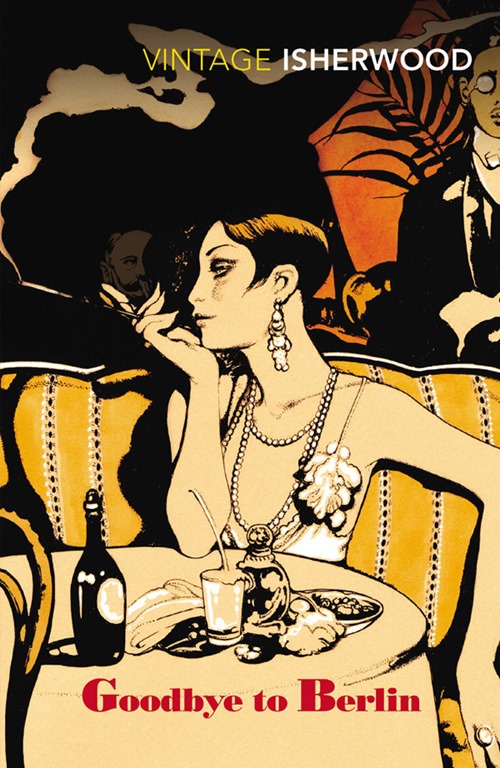 Author Christopher Isherwood lived in Berlin, Germany in the early 1930s. In 1939, he published a fictionalized collection of short stories about his life during that time.
This collection - published as Goodbye to Berlin - is often packaged with Isherwood's earlier semiautobiographical novel Mr. Norris Changes Trains as a single volume under the title: The Berlin Stories. But unlike the earlier novel, the Goodbye narrator explicitly identifies himself by name. And the latter novel has much more depth than Norris. Whether we are hearing about two gay men in a doomed relationship or a struggling working-class family living in a condemned attic or a wealthy Jewish family under attack from fascists, the reader understands the people with whom we interact. They are real to us.
The stories sometimes cross one another's timelines, but each concerns Isherwood's relationship with a person or group of persons.
The most interesting character is Sally Bowles - a charming gold-digger who tries to sleep her way to a successful acting career. Christopher develops a fondness for her and a friendship, despite his jealousy of her many lovers. This story inspired the popular musical "Cabaret" in which Liza Minelli starred as Sally.
In the final chapter, the author leaves Berlin to escape the brutality of the new regime, and the changes to the atmosphere, culture, and safety of the city he loves. But many of the other characters say "Goodbye" to this city throughout the novel - they either depart suddenly to travel abroad or they disappear mysteriously.
Goodbye to Berlin shines as a study of human relationships and the ways we interact with one another and communicate day to day. It shines as a commentary on the roles of men and women in society. And it shines as a study of the oppression experienced by Jews and other minorities during the rise of the Nazis to power in Germany.
The author put it best when he wrote:
"It is strange how people seem to belong to places — especially to places where they were not born…"
Isherwood belonged to Berlin - but it is a Berlin that ceased to exist after he left.
GCast 80:
Conditional Logic in Power Automate
This video shows how to add conditional logic to a Microsoft Power Automate workflow.
 On a train heading to Berlin, two English expatriates strike up a conversation that later evolves into a friendship. William Bradshaw and Arthur Norris spend many days and evenings together over the coming months - dining out, visiting at home, and patronizing a local brothel.
Norris is the title character of Christopher Isherwood's 1935 novel Mr. Norris Changes Trains, which was published as The Last of Mr. Norris in the United States.
Norris is eccentric and charming and there is something untrustworthy about him. He is broke but leads an extravagant lifestyle; he claims to be in the "import-export" business but is vague about what exactly he imports and exports; and his wealth is suddenly increased after a mysterious business trip to Paris. Norris is also vain (he regularly wears makeup and a wig); and a sexual deviant (he pays a prostitute to beat and humiliate him); He has a combative relationship with his servant Schmidt and the two spar frequently and hold one another in contempt.
Norris's many flaws complicate his life, but they do not discourage William's friendship.
Isherwood paints a picture of 1930s as the Weimar Republic comes to an end and the Nazis and Communists vie for power. He brings together an interesting set of characters, most of whom seem to be insincere and dishonest. William (a surrogate for the author) narrates the novel, but interjects very little of himself into the story, which focuses on Mr. Norris and his flaws.
There isn't a lot of action in this book; but the characters and the dialogue make it worthwhile. We see the frivolity of high society and we see relationships damaged and repaired and we see the political conflicts in the days before the rise of Hitler and the start of the Second World War.
When Norris persuades William to help him with a mysterious business venture, his dishonesty is exposed.
In his later years, Isherwood dismissed this novel as too shallow. I don't dismiss it. It works well for its length and Isherwood can be forgiven for not predicting the Nazi atrocities when he wrote this story in the 1930s; and for not revealing his own sexuality in the narrator.
Mr. Norris Changes Trains is not a classic but is a good story with good characters.
GCast 79:
Creating a Workflow from Scratch in Power Automate
This video shows how to create a workflow in Microsoft Power Automate without starting from a template.
 Bigger Thomas was scared, and he was angry. He had reasons to be scared and angry. He was a 20-year-old black man living in the ghetto of segregated 1930s Chicago.
In Bigger's new job as a chauffeur for businessman / philanthropist Henry Dalton, he was told to give a ride to Dalton's radical daughter Mary. Mary and her Communist boyfriend went out of their way to show kindness to Bigger, which only angered him more.
24 hours later, Bigger had killed two women - one accidentally and the other to protect himself.
There are no heroes in Richard Wright's 1940 novel Native Son.
The protagonist is decidedly unsympathetic and in no way likable. Bigger is a bully, he is self-absorbed, and he is an unrepentant criminal. He spends most of the book rationalizing his terrible actions. He was quick to anger and quick to turn to violence and he blamed all his problems on others, even physically attacking his friends when it suited him. At one point, he tried to frame an innocent man for his crime. His own weaknesses make him angry; But he directs that anger toward others and punishes everyone around him. He is amoral and self-unaware and he has been that way most of his life.
But Wright reminds us that society must shoulder a share of the blame for Bigger's fate. Economic and educational opportunities are denied to the young negro and to all his people, because of the color of their skin.
The kindly Mr. Dalton gives money to black charities and treats the black people he meets with kindness and respect; but he owns apartment buildings across the city and he refuses to rent white neighborhood apartments to black tenants and he charges higher rents in the black neighborhoods.
Others exploit Bigger's crimes to their own agenda. The right-wing racists point to Bigger as an example of the danger of allowing too much freedom to blacks; the left-wing Communists point to his situation as the product of an unfair social and economic system. Each side uses the case to amplify their own agenda.
The police and the press pile more charges on top of the ones to which he confesses. Of course, they treat the killing of a rich white girl as far more serious than the murder of a poor black girl.
Still, the reader feels for many of these characters, despite their flaws. Our heart aches for the Dalton family who lose their only daughter; and for the Thomas family who lose their son. I even felt the panic rising as the police closed in on Bigger.
Although this story took place over 80 years ago, much of the segregation and polarization still exists. And though the vast majority of blacks never turn to the extreme violence of Bigger Thomas, many still feel the pressures of a system that is often oppressive.
Bigger is a tragic figure - alone and isolated, he cannot connect with society or with his family or even with other blacks. He lashes out in the only way he knows.
His violence serves as a warning to us all.
GCast 78:
Creating a Workflow from a Microsoft Power Automate Template
Microsoft Power Automate (formerly Microsoft Flow) allows users to create workflows without writing any code. Learn how to create a workflow from one of the many templates shipping with Power Automate.
Episode 602
Jaidev Kunjur on Azure Integration Tools
Jaidev Kunjur of Enkay Technology Solutions discusses some of the integration tools available in Microsoft Azure, such as Logic Apps, API Management, Azure Functions, and Event Grid.
He describes the capabilities of these tools and how his company is using them to solve integration problems for their customers.
https://enkaytech.com/ In Doris Lessing's The Golden Notebook, protagonist Anna Wulf serves as a surrogate for Lessing, expressing the philosophies and doubts of the author; And the fictional Wulf is a writer who injects herself into the Ella - the protagonist of her own novel.
Notebook tells Anna's story in a non-linear fashion, switching between a third person narrative of the life of Anna and her social circles and the contents of her four journals. The journals are organized by topic, rather by time. Anna hopes to better understand herself by writing down all her thoughts. But she recognizes the different aspects of herself and decides to capture each aspect in a separate notebook, organized (in her own words) as follows:
"A black notebook, which is to do with Anna Wolf the writer;
a red notebook, concerned with politics;
a yellow notebook, in which I make stories out of my experience;
and a blue notebook which tries to be a diary."
The book jumps around in time and in perspective, making it fragmented and sometimes difficult to follow. But it is fragmented because Anna is fragmented. She realizes she has contradictions in her life and she separates them, unsuccessfully trying to minimize her anxiety.
She struggles with her political beliefs. The idealism that led her to Communism is challenged by the corruption of the Stalin regime and her commitment to the party wanes.
She is confident and sexually liberated, but she struggles with her relationship with men, often entering into destructive relationships with men who mistreat her.
She challenges the role of women in society but allows herself to be controlled by others.
She wrote a successful novel and writes almost daily but has no interest in publishing again or allowing her novel to be adapted to film or TV.
There is a lot to absorb in The Golden Notebook. It is about feminism and politics and sexuality and control. But it works for me. And although I grew up in a different world than Anna and Lessing and Ella, I often saw myself in her and recognized her struggles.
GCast 77:
Connecting Azure Synapse to External Data
Azure Data Warehouse has been re-branded as Azure Synapse. Learn how to add data from an external system to an Azure Synapse database.
Episode 601
Flutter is an open source framework from Google, designed to help you build cross-platform applications. Don Ward tells us what it does and how to use it.
 It has been 30 years since the release of "Flood" - the breakthrough album by iconic nerd-rock band They Might Be Giants. To celebrate, the band is touring the United States, vowing to play every song from this album at each show.
Friday night, they played The Vic Theatre in Chicago to a sold-out audience that braved the cold weather and threats of coronavirus to cheer on the kings of the 2-minute song.
For almost 3 hours (including an intermission), TMBG rocked the Vic while the audience sang along to songs they grew up with.
Few bands have the kind of cult following enjoyed by TMBG. TMBG has never had a top-40 single and only a handful of their songs have cracked the alternative rock charts. But their audiences love them and flock to their concerts and memorize their lyrics.
 Technically, TMBG consists of only two members: John Flansburgh and John Linnell. But, for this tour they were joined by 3 others to fill out their songs. Linnell looks like a computer science student and Flansburgh looks like Linnell's dad. The point is that both project nerdiness - in their appearance and in their music, which consists of cerebral lyrics, catchy melodies, and experimental electronic sounds. And a trumpet.
In addition to performing every song from "Flood" (in no particular order), the band played numerous songs from their 22-album catalog.
Highlights included
 They even played one song ("Sapphire Bullets of Pure Love") backwards!
I've been listening to TMBG since their "Flood" days and this is the first time I've seen them in concert. I was lucky to get a ticket to this sold-out show from someone selling his last ticket outside the venue. I'm so glad I did.
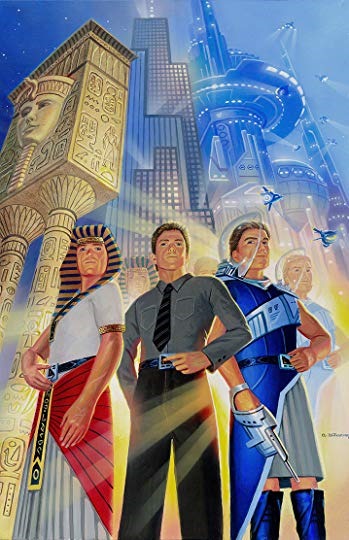 When Dan's Uncle Jim died, he left Dan one thing: a belt that allowed Dan to travel backward and forward in time. His first instinct was to use the device to make himself rich via gambling and investments. But then, he uses it to correct mistakes - either in his own life or in history. His actions sometimes result in unpleasant side effects; but he can always go back a bit earlier and undo his "corrections". Dan has it all. His godlike powers allow him to build a life to his own suiting; and he spends most of his time with past and future versions of himself, because they are the only people he understands and who understand him.
But the world becomes confusing the more he alters his timeline. He becomes more isolated and less certain of what is reality. Eventually, he must confront the responsibility that comes with the power he has inherited.
Dan laments:
"But when you can erase your mistakes in a minute, you tend to get careless.
Until you make one you can't."
There is a twist at the end, but it was one I saw coming halfway through the novella. But this story isn't about plot twists. It's about the character of a man who can do anything for himself - one who needs no one else.
The Man Who Folded Himself is about self-identity; and personal responsibility; and cause and effect; and what it means to have it all. And it covers these topics in a mere 116 pages. This might be the most amazing thing about the book - no small feat for a story that deals with time travel.
GCast 76:
Creating an Azure Synapse database
Azure Data Warehouse has been renamed to Azure Synapse. This video walks you through the creation of a Synapse database.
Episode 600
A look back at the last 100 episodes of Technology and Friends!
Featuring:
Venkat Subramaniam
Jon Skeet
Laurent Bugnion
Jennifer Wadella
Douglas Crockford
Jeff Fritz
Raffaele Rialdi
Carolina Banales
Elton Stoneman
Brandon Satrom
Heather Wilde
Jennifer Marsman
Walt Ritscher
Jeremy Miller
Jayson Street
Angela Dugan
Heather Downing
Robert Green
Jon Galloway
Tibi Covaci
Lorena Mesa
Bill Wagner
Angie Byron
Hao Luo
J Tower
Dan Rey
Alex Mang
Eric Boyd
Tim Reilly
JD Marymee
Jim Wooley
Lwin Maung
Frank Gill
Jason Bock
Jean Lange
Isaac Bayoh
Ruth Yakubu
Kevin Gates
Jes Schultz
Bryan Glenn
Kate Gregory
John Azariah
Brady Gaster
Ondrej Balas
Raj Krishnan
Phil Japikse
Martin Kearn
Annie Bougie
Arthur Doler
Erwin Derksen
Rajasa Savant
Robert Greene
Jackie Becker
Kevin Griffin
Bret Stateham
Adam Hecktman
David Makogon
Tobiah Zarlez
Geisa Faustino
Brent Stineman
Melanie Adcock
Mike Benkovich
John Alexander
Jeremy Likness
Edward Thomson
Silviu Niculita
Cassandra Faris
Elizabeth Graham
Hattan Shobokshi
Whitney Griffith
Tobiasz Koprowski
Raymond Comvalius
Laurent Ellerbach
Hilary Weaver-Robb
Christian Geuer-Pollmann
Michael Eaton
Courtney Eaton
Gabrielle Sempf
Spencer Schneidenback
Rob Reynolds
Robert Martin
Jim Christopher
Kevin Leung
Guillermo Bellman
Fabian Fernandez
Nicolas Bello
Kevin Ashley
Christine Matheney
Atley Hunter
Zach Miller
Don Ward
Recorded 2017-2020 in
Chicago, IL
Rome, Italy
Cluj-Napoca, Romania
Oslo, Norway
Stockholm, Sweden
Sandusky, OH
Wisconsin Dells, WI
Vancouver, BC
Redmond, WA
Montevideo, Uruguay
Atlanta, GA
Seattle, WA
Toronto, ON
Orlando, FL
Milwaukee, WI
Downers Grove, IL
Grand Rapids, MI
Copenhagen, Denmark
Helsingborg, Sweden
3/1
Today I am grateful for a visit yesterday to the Ed Paschke Art Center
2/29
Today I am grateful that I'm starting to feel caught up for the first time in months.
2/28
Today I am grateful for dinner with David and Debi last night.
Edit
2/27
Today I am grateful for dinner with Lino last night.
2/26
Today I am grateful for the Chicago PedWay on a cold, sleeting day.
2/25
Today I am grateful to deliver my first user group presentation of the year last night.
2/24
Today I am grateful for my first bike ride of 2020.
2/23
Today I am grateful for a day in Milwaukee.
2/22
Today I am grateful for the gym in my building
2/21
Today I am grateful to learn something new every day.
2/20
Today I am grateful to see my son's Kalamazoo College team earn their second straight victory last night.
2/19
Today I am grateful for a massage yesterday.
2/18
Today I am grateful for a late-night hot bath.
2/17
Today I am grateful to see the Orchid Show yesterday at the Chicago Botanic Garden.
2/16
Today I am grateful for:
-a successful week in Charlotte with my customer
-an upgrade to First Class on my flight home
-dinner with my son last night
2/15
Today I am grateful to see Kamasi Washington in concert last night in Charlotte, NC.
2/14
Today I am grateful for dinner with my team last night.
2/13
Today I am grateful to attend a Charlotte Checkers ice hockey game last night.
2/12
Today I am grateful to return to North Carolina - the state of my birth.
2/11
Today I am grateful for a successful Envisioning Session yesterday.
2/10
Today I am grateful for Texas BBQ.
2/9
Today I am grateful for my new webcam.
2/8
Today I am grateful I can pay bills online.
2/7
Today I am grateful for dinner with Tim last night.
2/6
Today I am grateful for a gym in my building.
2/5
Today I am grateful for Mark Dantonio.
2/4
Today I am grateful for my CPAP machine.
2/3
Today I am grateful for an exciting Super Bowl.
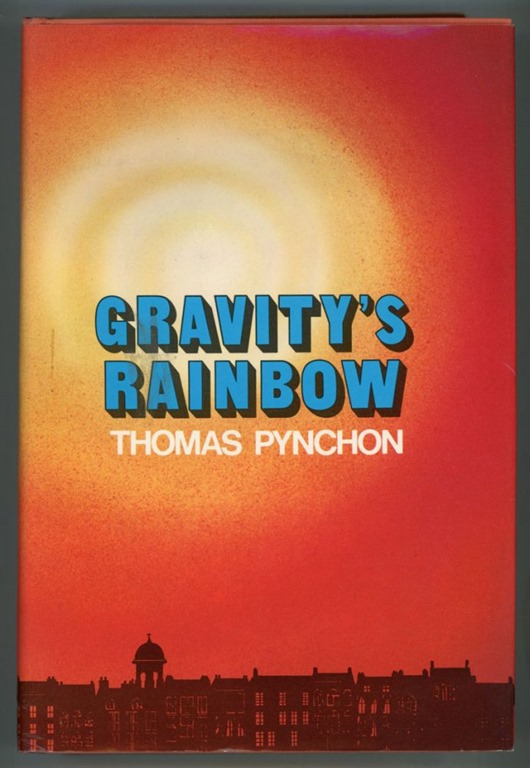 It is near the end of World War II and the Germans have apparently developed a new weapon of unknown capability with the unlikely serial number "0000".
The allies are looking for it, while they analyze the pattern of bombs dropping on London. One pattern they cannot understand is why a bomb consistently falls on a location a few days after US Army Lt. Tyrone Slothrop has sex in that location. Eventually, Lt. Slothrop is sent to Germany to search for this mysterious weapon. On his journeys, he disguises himself as a superhero and as a pig.
Gravity's Rainbow by Thomas Pynchon follows Slothrop on his mission to find the bomb. But it does not take us on a straight line through his quest. Pynchon introduces us to hundreds of characters - many tangential or completely irrelevant to the story; and he weaves dozens of subplots - many of which have little to do with the broader narrative.
In between, we a lot of sex happens and a bit of scatology and some incest and a story of a sentient, immortal light bulb. It's often entertaining, but all very confusing.
Many parts of the novel are very well-written - told with humor and satire and emotion. The challenge is tying them together. I trust that Pynchon accomplished this, but he makes it a major challenge for the reader to recognize how he did so. Characters are introduced, then disappear for hundreds of pages, before they reappear.
The book was too long and complex for me to enjoy as a whole. It felt like a mashup of disconnected scenes.
This seems like the kind of novel one needs to read multiple times in order to appreciate. At some point, I may return to it and re-evaluate it; but, its nearly 800-page length and the pile other books awaiting my attention will delay that - maybe forever.
GCast 75:
Creating an Azure SQL Server Logical Server
How to create a logical SQL Server in Microsoft Azure.
Episode 599
Bryan Glenn on the Right Mindset for Success
Bryan Glenn is a technology entrepreneur. His upcoming book "Life Adds Up" talks about thea characteristics necessary to acheive success. Bryan shares stories of successful people like Bill Gates and Albert Einstein, as well as lessons from his own life.
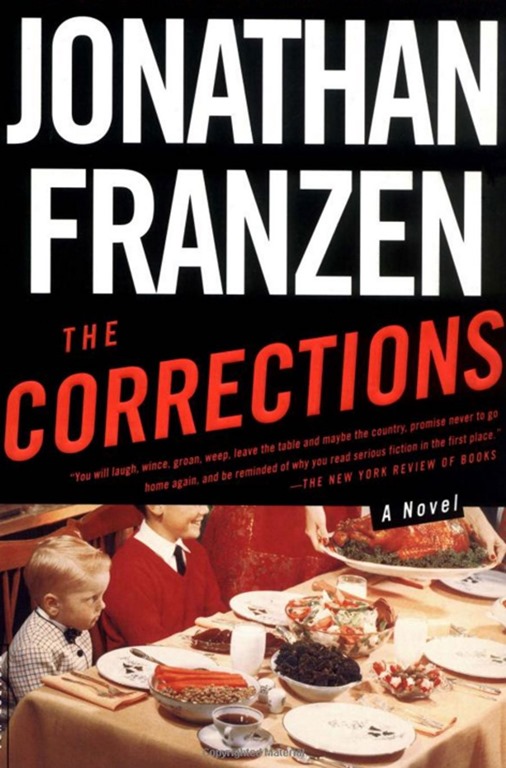 Jonathan Franzen's 2001 novel "The Corrections" tells the story of a family that has lost its way. Alfred and Enid Lambert still live in their home in Iowa, but their three adult children have moved to New York and Philadelphia. The children initially enjoyed some success, but each has fallen hard in recent years.
Oldest son Gary has achieved financial success as a banker but is trapped in a loveless marriage in which he and his wife consistently torture one another emotionally. He struggles with alcoholism and depression.
Chip was a college professor until he was fired for sleeping with and then stalking one of his students. He tries to pull himself out of debt by assisting a corrupt Lithuanian politician scam people via the Internet.
Denise’s career as a famous chef is undone by a disastrous affair.
Patriarch Alfred is a retired engineer for a Midwestern railroad. His entire life, he has been hard-working and independent and in control. But Parkinson's and Alzheimer’s are now robbing him of that control.
Matriarch Enid tries desperately to keep her family together, inviting everyone home for "one last Christmas", while she tries to care for Alfred. Enid is easily the most sympathetic of the family. Her marriage to the emotionally unavailable Alfred has been unsatisfying, but she stayed with him; and her adult children have all but abandoned her, but she still loves them. Still, her efforts to control the lives of everyone in the family and heap guilt on her children prevent the reader from admiring her too much.
This novel grabbed me early and held me throughout. Franzen introduces each family member, shows or hints at their current problems - then takes us back in time to show us how they fell to where they are now. He gradually reveals their lives and characters and motivations, and the fatal flaws that toppled them. Each character lives in denial of the seriousness of their problems. Each major character is damaged, but each has enough redeeming qualities that the reader pulls for them. They seemingly cannot resist acts of self-destruction.
Even the minor characters are interesting. I loved the neurotic Robin, who blamed herself for the violence chosen by her sociopath brother. And the pill-pushing cruise ship doctor reminded me of a used car salesman and had me laughing out loud. These characters exist to reflect the Lambert family, but Franzen took the time to give them shape, without distracting from the main story.
The Corrections is humorous and absurd and touching and tragic; and in the end, as the characters each experience their corrections, gives us hope for the future.
GCast 74:
Continuous Deployment with Azure DevOps
Implement continuous integration and continuous deployment by automatically triggering build and deploy pipelines when code is committed to a repository branch.
Azure Logic Apps allow you to create scalable workflows hosted in the cloud. Although each Logic App is self-contained, it is often helpful to share artifacts such as maps, schemas, and certificates among multiple Logic Apps.
An Azure Integration Account provides a container for storing these artifacts.
To create an Integration Account, navigate to the Azure Portal [https://portal.azure.com], sign in and click the [Create a resource] button (Fig. 1).

Fig. 1
Search for and select "Integration Account", as shown in Fig. 2.
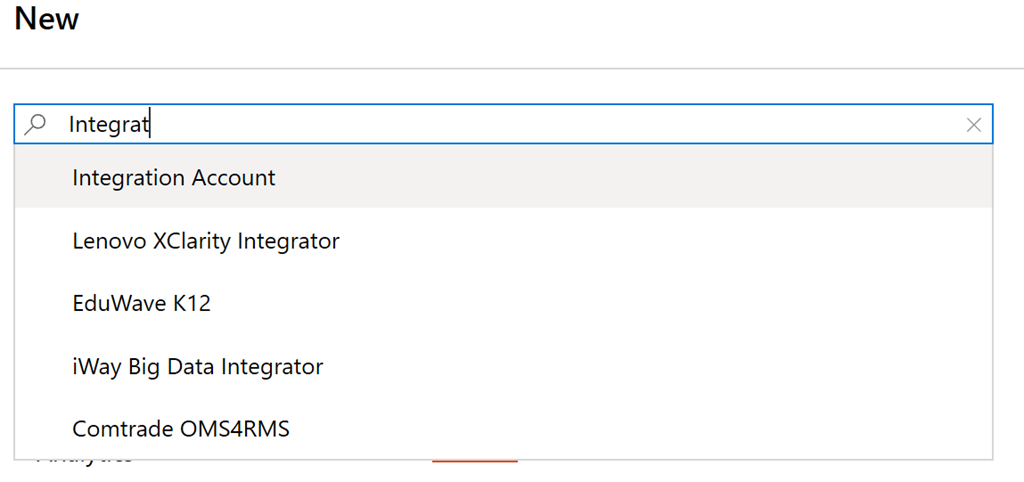
Fig. 2
The "Integration Account" information page displays, as shown in Fig. 3.

Fig. 3
Click the [Create] button to display the "Create Integration Account" blade with the "Basics" tab selected, as shown in Fig. 4.

Fig. 4
At the "Resource group" field, select or create a resource group in which to store this Integration Account.
At the "Integration account name" field, enter a unique name for this Integration Account.
At the "Location" dropdown, select the region in which to store this account. This should be the same region in which your Logic Apps are located.
At the "Pricing Tier" dropdown, select which pricing tier you wish to use. The options are (in increasing order of cost) "Free", "Basic", and "Standard". Only one Free Account is allowed per Azure Subscription. You can change this setting after creating an Integration Account.
Click the [Review + create] button when you have completed this tab. The "Review + create" tab displays, as shown in Fig. 5.
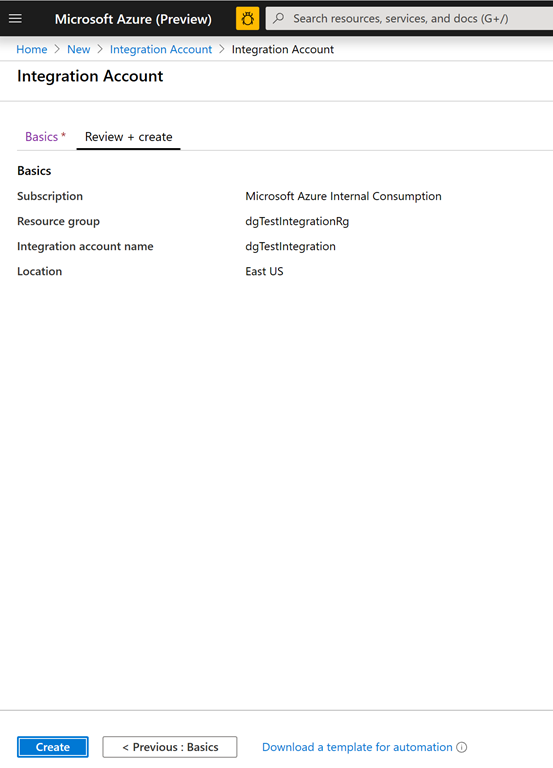
Fig. 5
Review your choices. Switch back to the "Basics" tab if you need to make any corrections. Click the [Create] button to create the Integration Account.
After Azure creates the Integration Account, the "Your deployment is complete" message displays, as shown inf Fig. 6.

Fig. 6
Click the [Go to resource] button to open the Integration Account, as shown in Fig. 7.
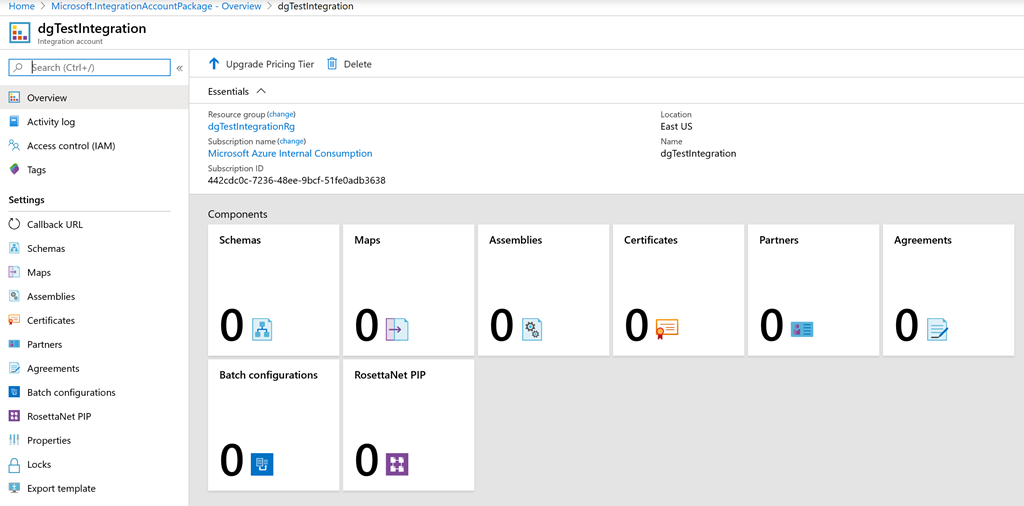
Fig. 7
Here you can manage reusable Schemas, Maps, and other Components.
An Integration Account can be associated with one or more Logic Apps, making components in the Integration Account available to each of these Logic Apps.
See this article to learn how to create a Logic App.
To associate a Logic App with an Integration Account, open the Logic App. The left menu of a Logic App is shown in Fig. 8.
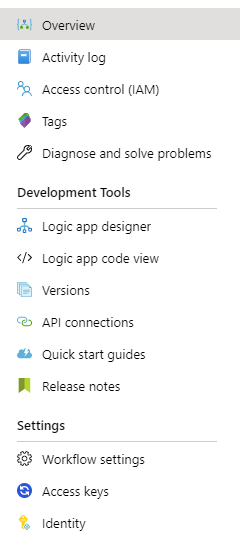
Fig. 8
Click the [Workflow settings] button (Fig. 9) under the "Settings" section of the left menu to open "Access control configuration" blade, as shown in Fig. 10.

Fig. 9
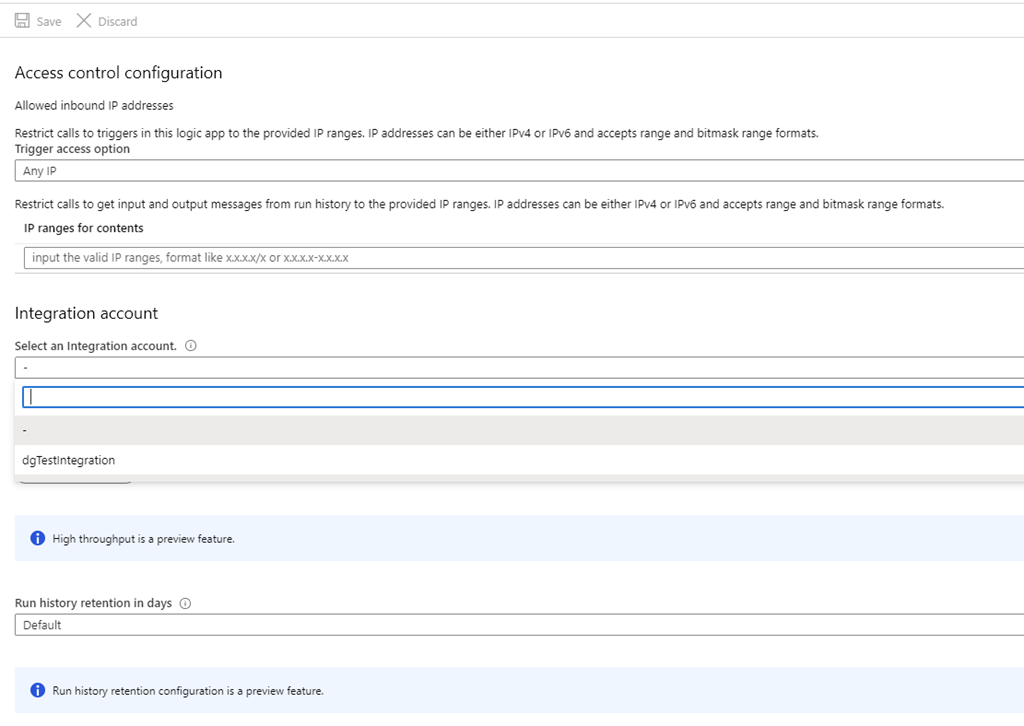
Fig. 10
At the "Integration account" dropdown, select the Integration Account you wish to associate with this logic app, as shown in Fig. 11.
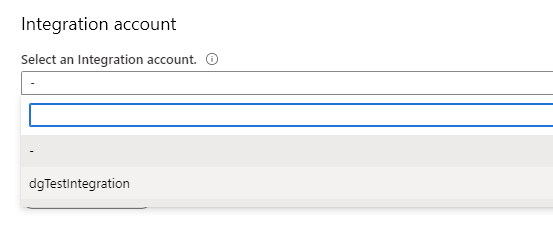
Fig. 11
Click the [Save] button (Fig. 12) at the top of the blade to save this configuration.

Fig. 12
You are now ready to use the artifacts in the Integration Account with this Logic App.
Episode 598
Jean Lange on Building Skills with Improv games
Jean Lange runs a workshop that uses games and improvisation to help people learn important skills when working with a group. Participants learn to communicate and to accept failure.
With a Logic App, you can create and run scalable workflows that are hosted in the Azure cloud. A graphical designer and connectors to hundreds of databases, APIs, and external applications and services make it possible to quickly create a workflow using Logic Apps.
To create a new Logic App, navigate to the Azure Portal, sign in and click the [Create a resource] button (Fig. 1).

Fig. 1
Select Integration | Logic App, as shown in Fig. 2.
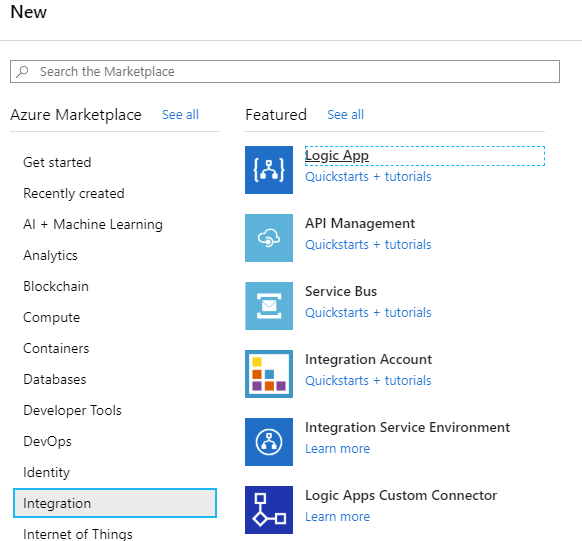
Fig. 2
The "Create Logic App" blade with the "Basics" tab selected, as shown in Fig. 3.

Fig. 3
At the "Resource group" field, select or create a resource group in which to store this Logic App.
At the "Logic App name" field, enter a unique name for this Logic App.
At the "Location" dropdown, select the region in which to store this Logic App.
Click the [Review + create] button when you have completed this tab. The "Review + create" tab displays, as shown in Fig. 4.
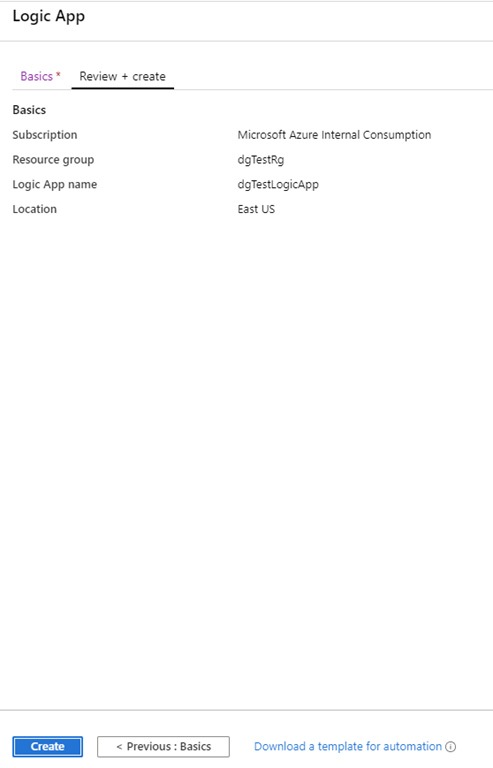
Fig. 4
Review your choices. Switch back to the "Basics" tab if you need to make any corrections. Click the [Create] button to create the Integration Account.
After Azure creates the Logic App, the "Your deployment is complete" message displays, as shown in Fig. 5.
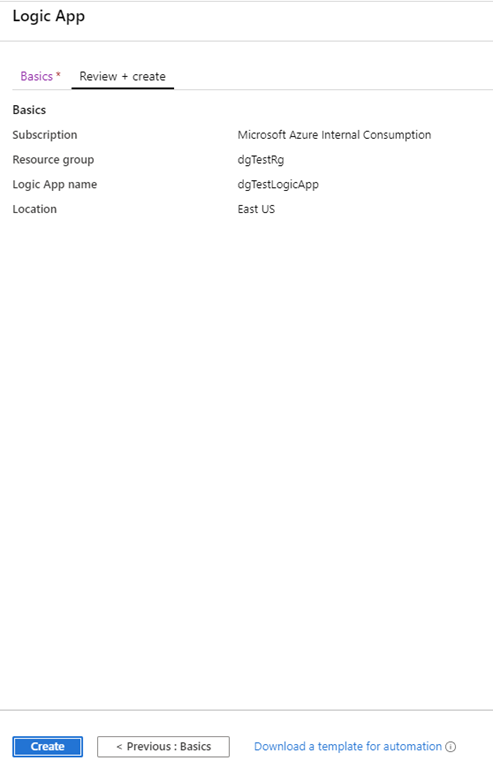
Fig. 5
Click the [Go to resource] button to open the Start Page of your Logic App, as shown in Fig. 6.

Fig. 6
On the start page, a video is available if you want a brief introduction to Logic Apps.
Below the video is a set of buttons that allow you to create a new workflow with a common trigger. A trigger is an action that starts a Logic App workflow.
The next section lists buttons for templates to perform some common tasks. Each template contains a trigger and one or more actions.
These buttons help to accelerate your development by providing some of the activities in a workflow and allowing you to fill in the specific properties.
Fig. 7 shows the Logic App designer after you select the HTTP Request-Response template.
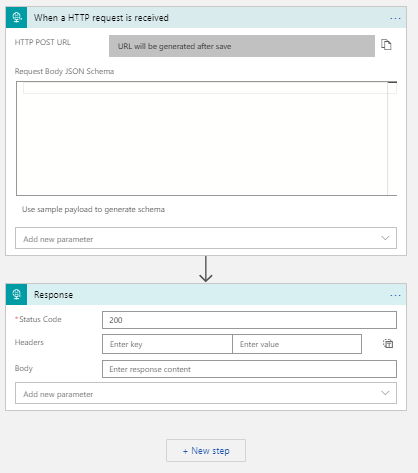
Fig. 7
In this article, you learned how to create a new Logic App.
GCast 73:
Build an Azure DevOps Release Pipeline
How to create a pipeline that will automatically deploy an ASP.NET Core Web Application to an Azure App Service.
Microsoft Power Automate (formerly Microsoft Flow) and Azure Logic Apps solve similar problems. You can use either one to create a workflow hosted in the cloud. However, Logic Apps tend to be more powerful. If you create a Power Automate flow, you may eventually run into its limitations and wish to recreate the same workflow in Logic Apps.
Fortunately, this can be done in just a few steps.
Navigate to https://flow.microsoft.com, sign in and select the flow you wish to migrate under "My Flows". The details of the flow displays, as shown in Fig. 1.

Fig. 1
From the top toolbar, select Export | Logic Apps template (.json), as shown in Fig. 2.

Fig. 2
A JSON file will be created and automatically downloaded. Fig 3 shows a section of this file.
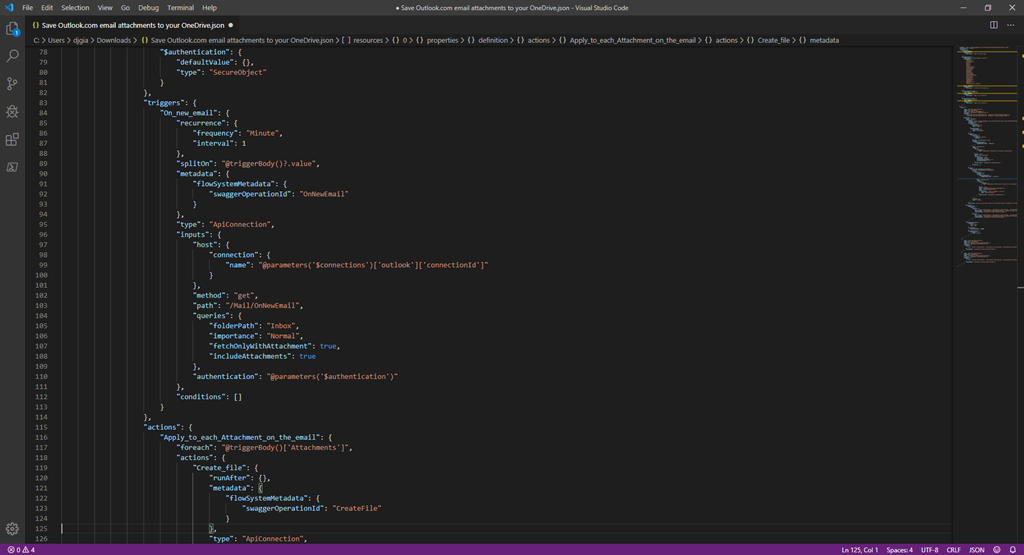
Fig. 3
Navigate to the Azure Portal (https://portal.azure.com) and login. Click the [Create a Resource] button (Fig. 4) and search for "Template deployment (deploy using custom templates), as shown in Fig. 5.

Fig 4

Fig. 5
Select "Template deployment" to display the info page for this service shown in Fig. 6.

Fig. 6
Click the [Create] button to display the "Custom deployment" start page, as shown in Fig. 7.

Fig. 7
Click "Build your own template in the editor" to display the template editor, as shown in Fig. 8.

Fig. 8
Click the [Load file] button (Fig. 9); then navigate to and select the JSON file you exported above.

Fig. 9
The exported JSON displays, as shown in Fig. 10.
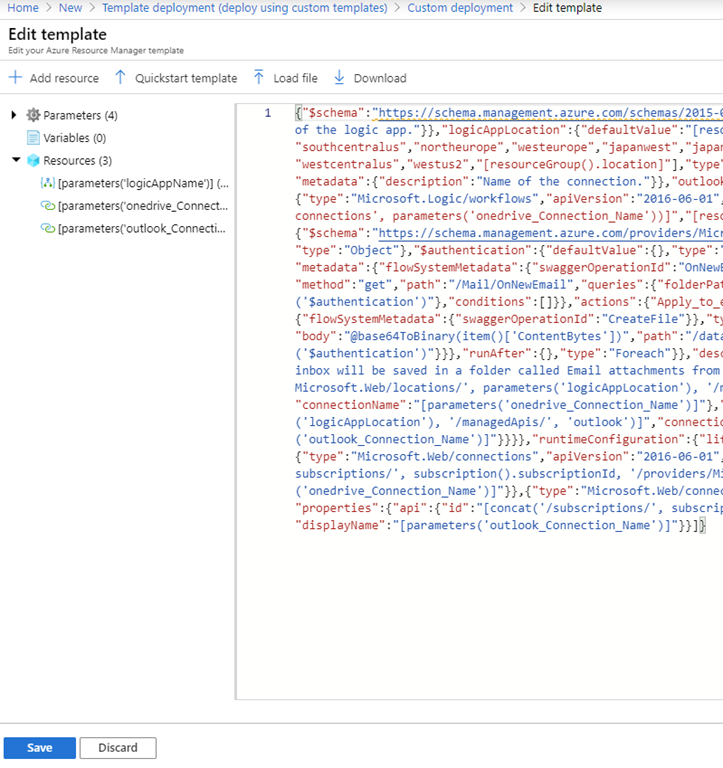
Fig. 10
Click the [Save] button to open the "Custom deployment" dialog with settings from the JSON file, as shown in Fig. 11.
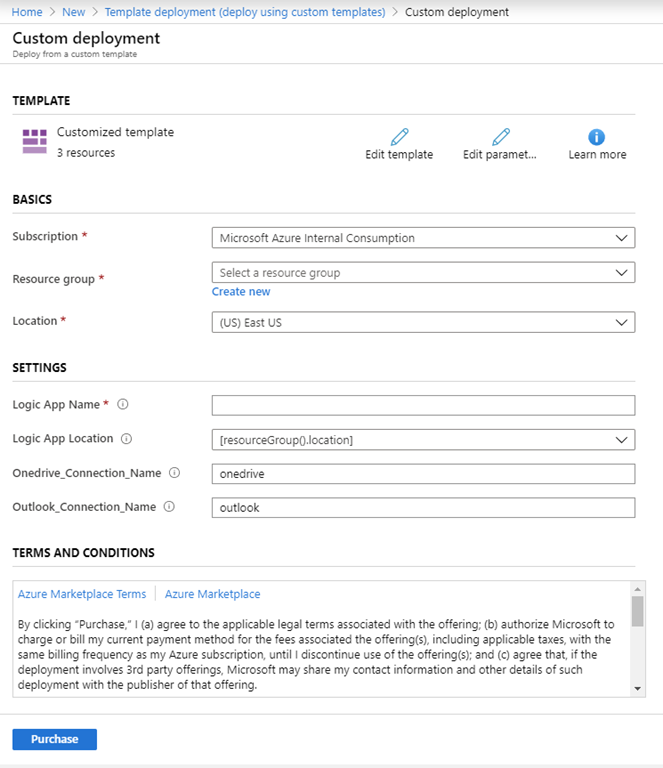
Fig. 11
Fill in the desired Resource Group and Logic App name, check the "I agree" checkbox, and click the [Purchase] button to create the Logic App.
After a few seconds, your logic app will be available. At this time, you can open it and change any settings you wish, as shown in Fig. 12.

Fig. 12
It may be necessary to authenticate against any API connectors, so check these before testing your Logic App.
In this article, you learned how to export a Power Automate flow and import it into an Azure Logic App.
Azure Logic Apps and Microsoft Power Automate (formerly Microsoft Flow) are tools from Microsoft that allow users to build custom workflows.
Each of these tools provides a robust workflow engine with a graphical front-end. Power Automate (PA) is built on top of Logic Apps and it is possible to export from a Power Automate flow and import it into a Logic App. Each provides a graphical interface to add connectors, workflow step, and control logic. Each supports an in-browser User Interface, so you don't need to install anything locally (although a VS extension lets you design workflows from within Visual Studio.) Each ships with a set of connectors to common databases, queues, APIs, and other systems, along with generic connectors to do things like calling a web service. Neither provides a great DevOps story, allowing easy integration with version control, automated testing, and automated deployment.
But there are differences. A primary difference is the way that Microsoft positions these 2 technologies: Microsoft is targeting PA at "Citizen Developers" - users with a strong knowledge of their systems and their business requirements, but without the knowledge or desire to write code. Logic Apps are targeted at developers and IT workers. As these products mature, expect PA to get more features around ease of use, while Logic App gets more focus on increased power.
Here are some other differences:
Logic Apps:
Power Automate flow:
When deciding between these tools, here are some questions to ask yourself:
One choice is to begin writing your workflows with PA; and, if you find that you need something more robust, use the import/export functionality to migrate your flows to Logic Apps and begin using that tooling.
Episode 597
Arthur Doler on Mental Health in the Workplace
Arthur Doler discusses how people can recognize and deal with mental health issues and how it affects the tech community.
Microsoft Power Automate (formerly Microsoft Flow) is a tool that allows people to design and build workflows without writing code.
In a previous article, I showed you how to create a flow from a template. In this article, I will show how to test a flow after you create it.
If your flow is not already open in the designer, you can navigate to https://flow.microsoft.com and sign in; then select "My flows" from the left menu, as shown in Fig. 1

Fig. 1
Select your flow to open it; then click the [Edit] button (Fig. 2) in the toolbar to open the flow in Edit mode.

Fig. 2
With the flow open, you can test this flow by clicking the [Test] button (Fig. 3) in the top right toolbar.

Fig. 3
A "Test Flow" dialog displays, as shown in Fig. 4.

Fig. 4
This dialog gives you the option to either perform the trigger action manually (in this case, sending an email with an attachment to the mailbox you specified). Use using data from a previous test run. If this is the first time you've tested this flow, only the first option is available. Select the "I'll perform the action trigger" radio button and click the [Test] button. After a few seconds, this starts the flow running in test mode. It won't be activated until you trigger it.
If you are using the flow created in the previous article, the trigger involved sending an email with one or more attachments to an email address. In any event, a message displays telling you how to trigger the flow, as shown in Fig. 5.

Fig. 5
After the flow is triggered, each step will display with a green check indicating success or a red "x" indicating failure for each action attempted, as shown in Fig. 6.
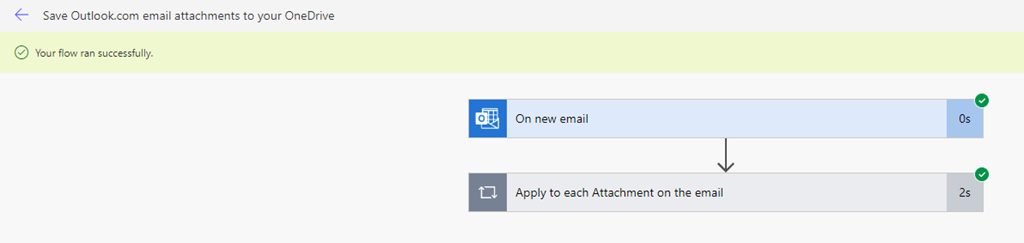
Fig. 6
You can expand any step to view the inputs, outputs, and any relevant messages of that step, as shown in Fig. 7.
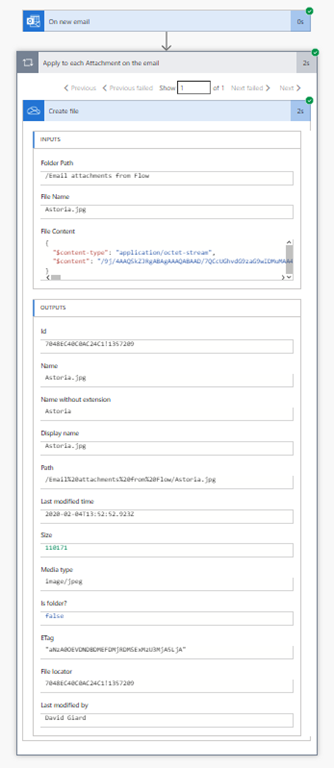
Fig. 7
As you make changes to your flow, you can continue to test it with the same data from the original test, without having to run the trigger again. Do this from the "Test Flow" dialog
An example is shown in Fig. 8.

Fig. 8
Repeat this until the flow works the way you expect it.
In this article, you learned how to test a flow in Microsoft Power Automate.